
The QueueDesk Blog
Practical guides on internal helpdesk, IT support, and service desk best practices.
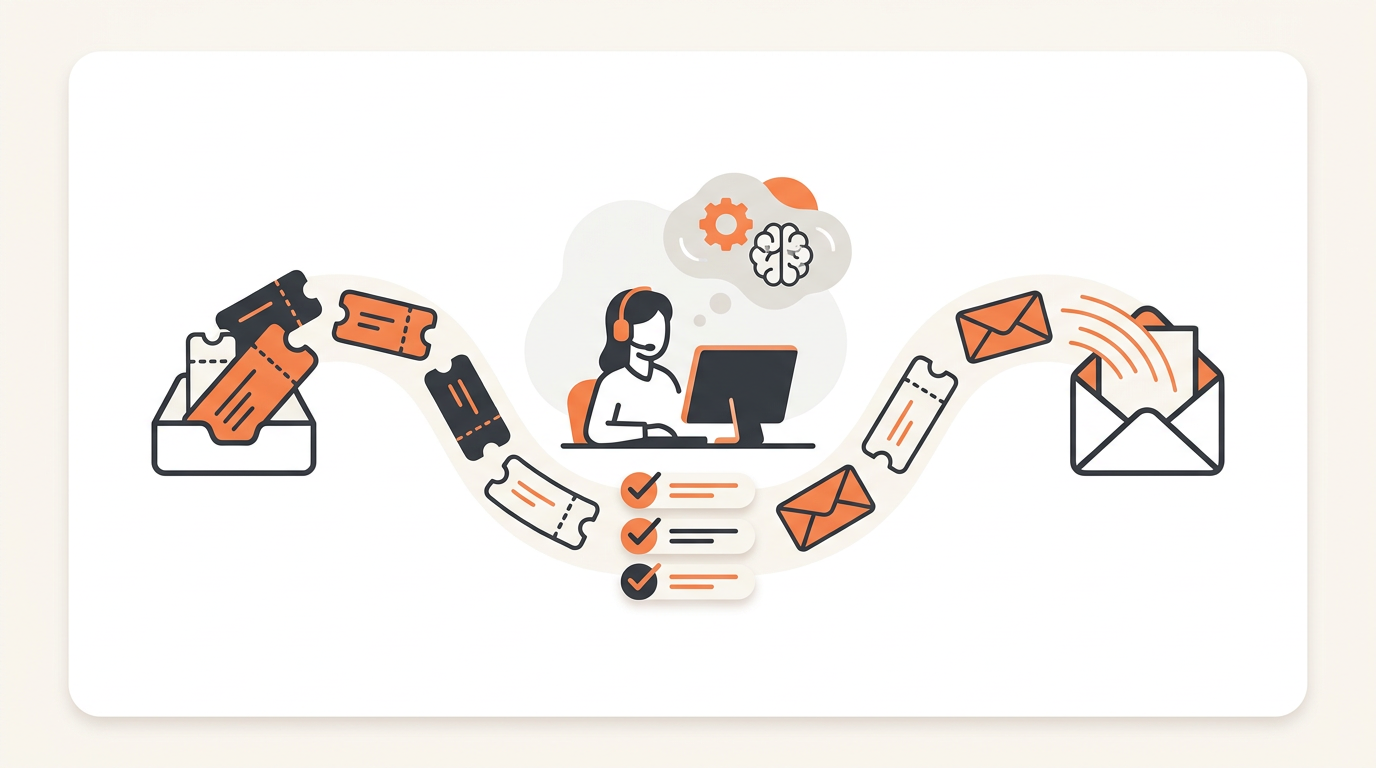
How to Use AI to Draft Support Replies Without Losing Quality
Learn how IT teams use agentic AI to draft accurate support replies. Discover the workflows, KB structuring rules, and routing tactics that maintain quality.
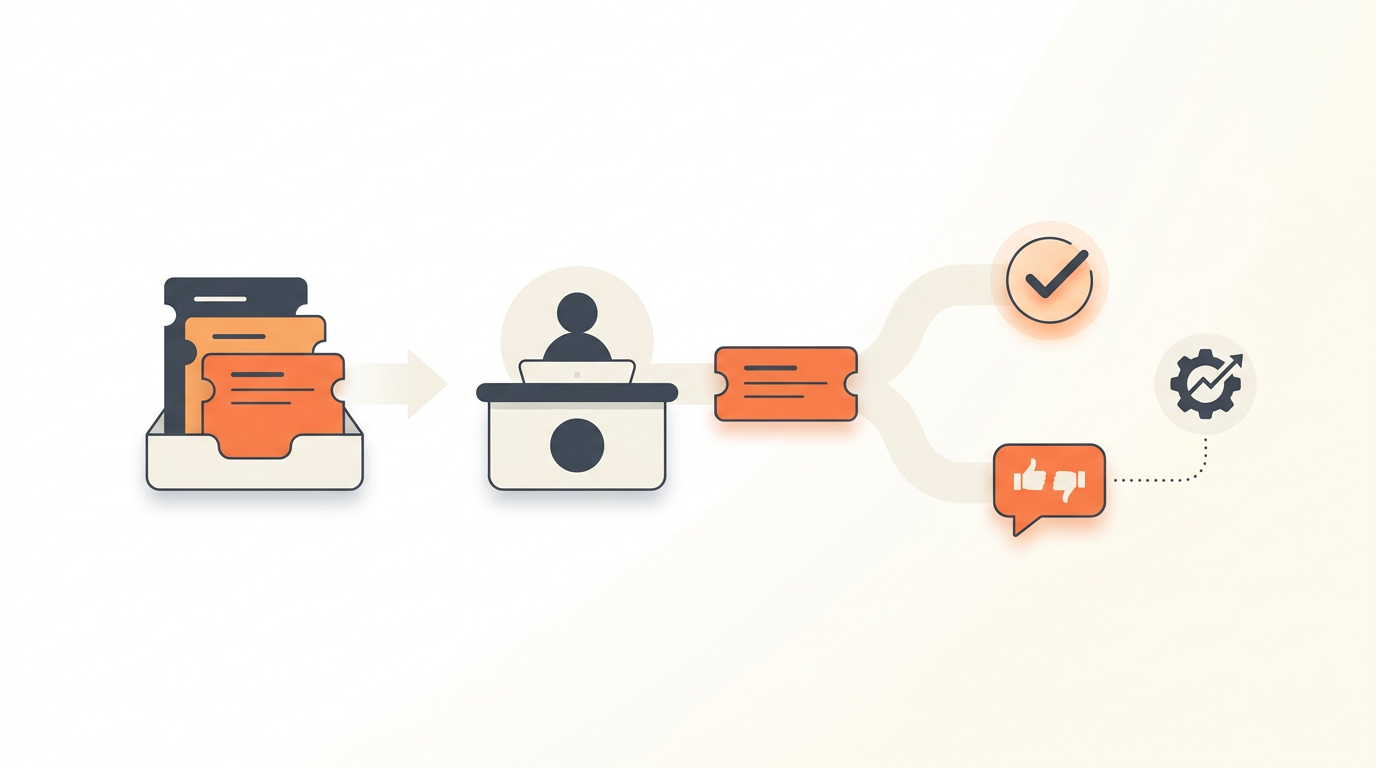
CSAT Surveys for IT Support: What to Ask and When
Learn exactly what to ask on your internal IT CSAT surveys, when to trigger them, and how to build a feedback loop that improves IT operations.

How to Plan a Support Software Migration Without Disrupting Your Team
Learn how to migrate your IT helpdesk without team disruption. Follow this step-by-step process for auditing data, mapping rules, and managing the cutover.
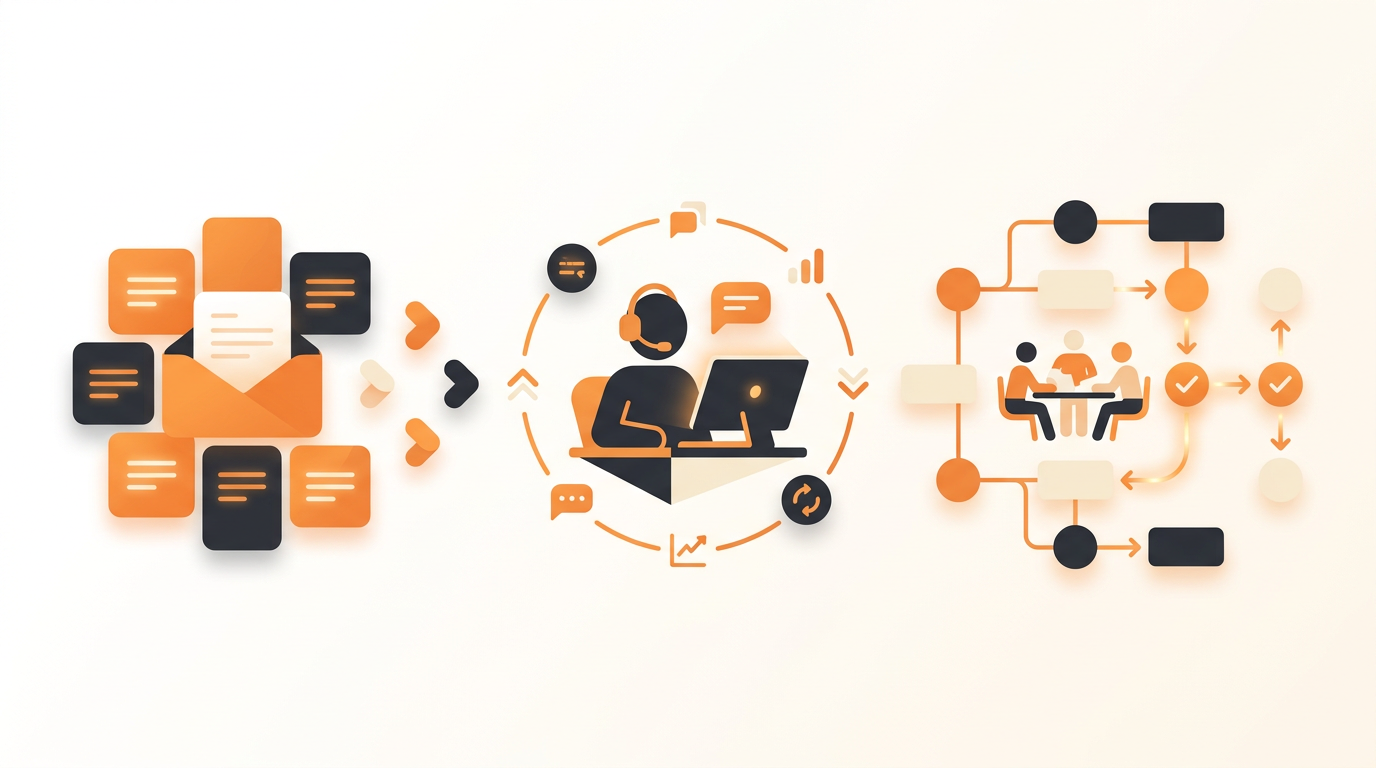
How to Structure an Internal Support Team for a 100-Person Company
Learn how to build a scalable internal support structure for a 100-person company, including tier definitions, routing rules, and intake workflows.
Best Practices for Structuring IT Ticket Numbering Systems
Stop losing requests in shared inboxes. Learn the exact prefixes, sequences, and structural best practices for a scalable IT ticket numbering system.
How to Reduce Employee Wait Time for IT Support
Learn how to eliminate IT support bottlenecks using structured intake, automated triage, and agentic resolution to reduce employee wait times.
How to Build Email to Ticket Automation for Support Teams
Stop dropping employee requests in shared inboxes. Learn the technical steps, routing rules, and AI configurations for proper email-to-ticket automation.
What Is Mean Time to Resolution (MTTR) & How to Improve It
Learn what Mean Time to Resolution (MTTR) actually measures, the hidden bottlenecks inflating your times, and how to fix them without ruining service quality.
How to Handle Recurring IT Incidents Before They Drain Your Team
Stop fixing the same IT issues every week. Learn how to identify root causes, link incidents to problems, and automate workarounds for recurring tickets.
Helpdesk Metrics Every Small IT Team Should Track (And What to Ignore)
Discover the four core helpdesk metrics small IT teams actually need to track, realistic SLA baselines, and how to stop measuring useless vanity data.
How to Write a Knowledge Base Article That Actually Gets Used
Learn how to write, format, and structure internal knowledge base articles that employees actually read, reducing repetitive IT and HR tickets.
The Remote Work IT Support Checklist for Small Teams
A complete remote work IT support checklist for small teams. Standardize hardware provisioning, automate request intake, and establish SLA rules.
How to Reduce Shadow IT with a Self-Service Request System
Stop rogue software spending by replacing slow procurement bottlenecks with a structured, user-friendly self-service IT request catalog.
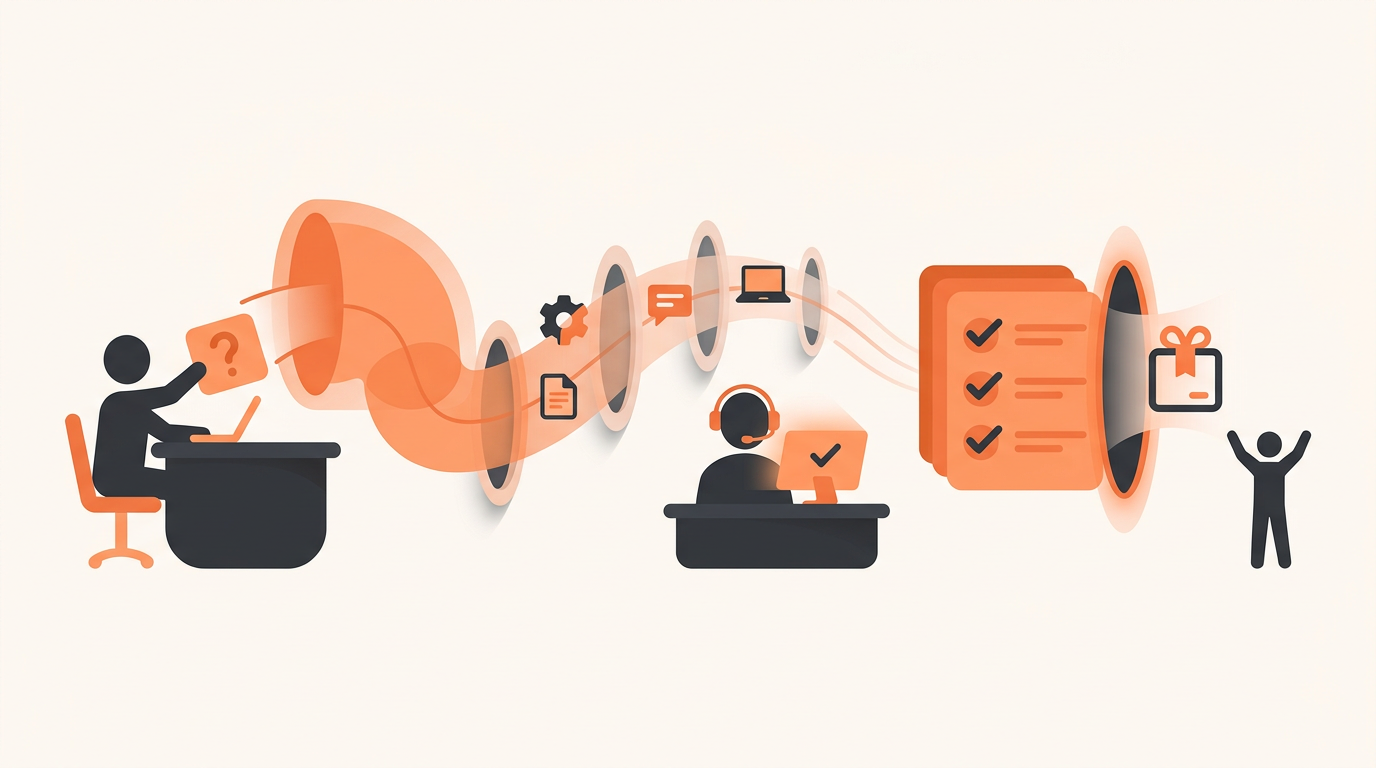
Building a Self-Service Catalog for Employee Requests
Stop chasing missing ticket details. Learn how to design, build, and structure an employee service catalog to automate IT request intake and routing.
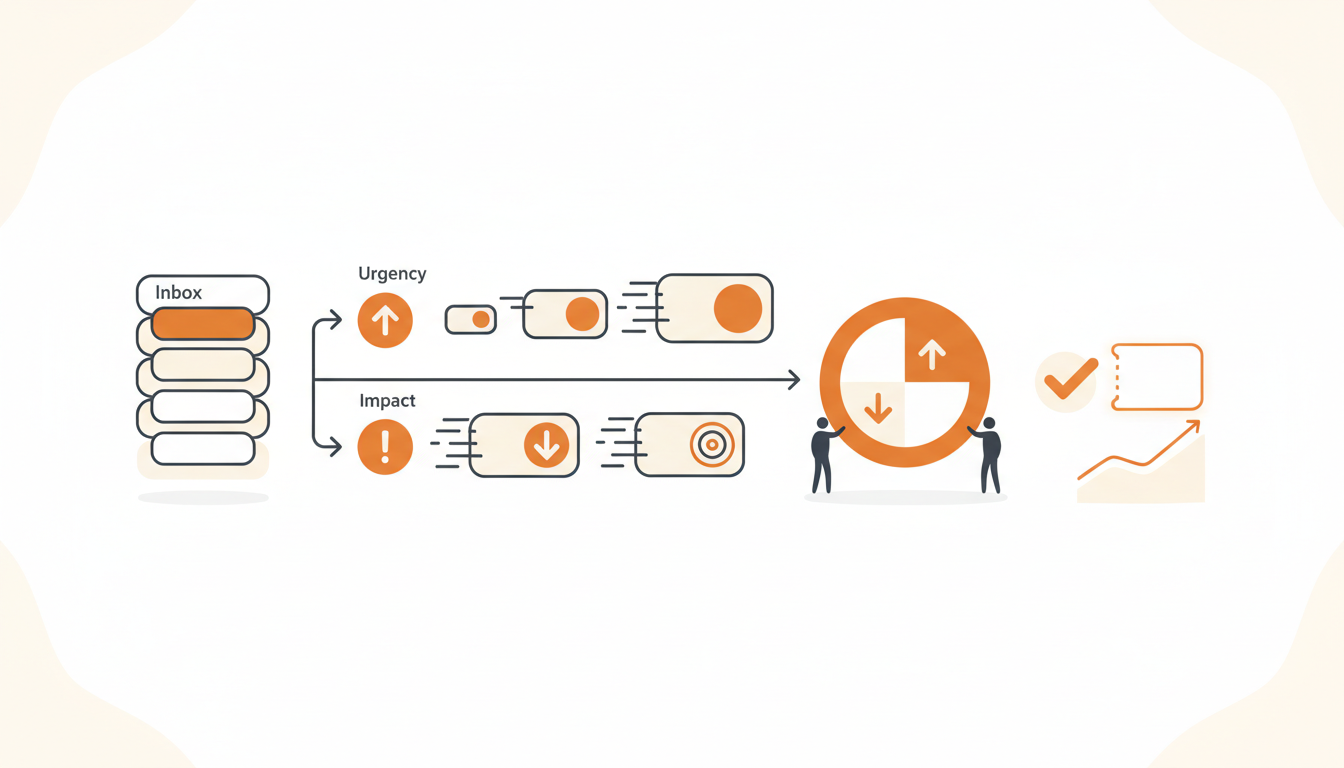
How to Prioritize IT Tickets Using Impact and Urgency
Learn how to build an impact and urgency matrix to automate IT ticket prioritization, enforce SLAs, and stop relying on user-selected priority fields.
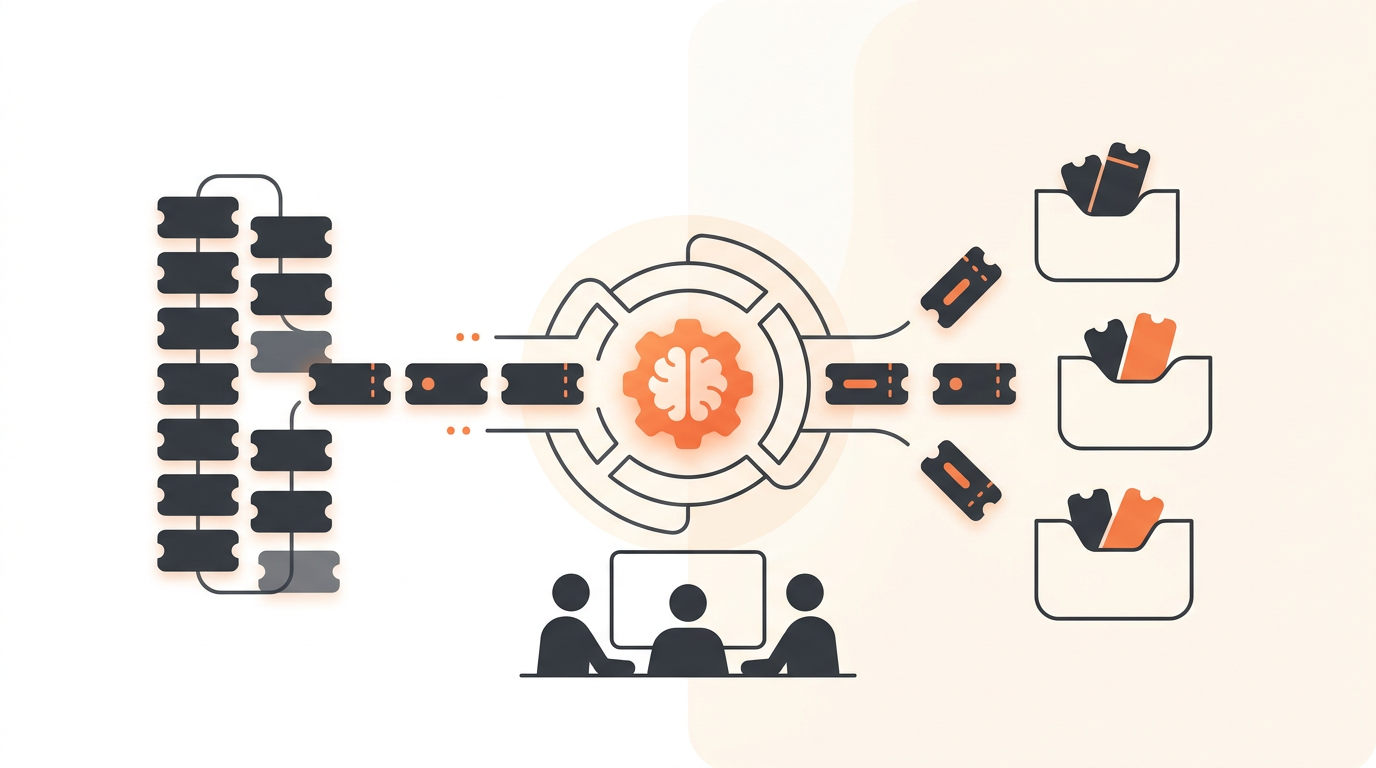
How to Automatically Categorize Support Tickets with AI
Stop manual ticket triage. Learn how to implement AI ticket categorization, define clear ITIL taxonomies, and build routing rules that actually work.

How to Reduce Helpdesk Ticket Response Times Without Hiring
Learn the exact processes, routing rules, and AI triage setups to cut your IT helpdesk response times. Stop manual sorting and automate your queue.
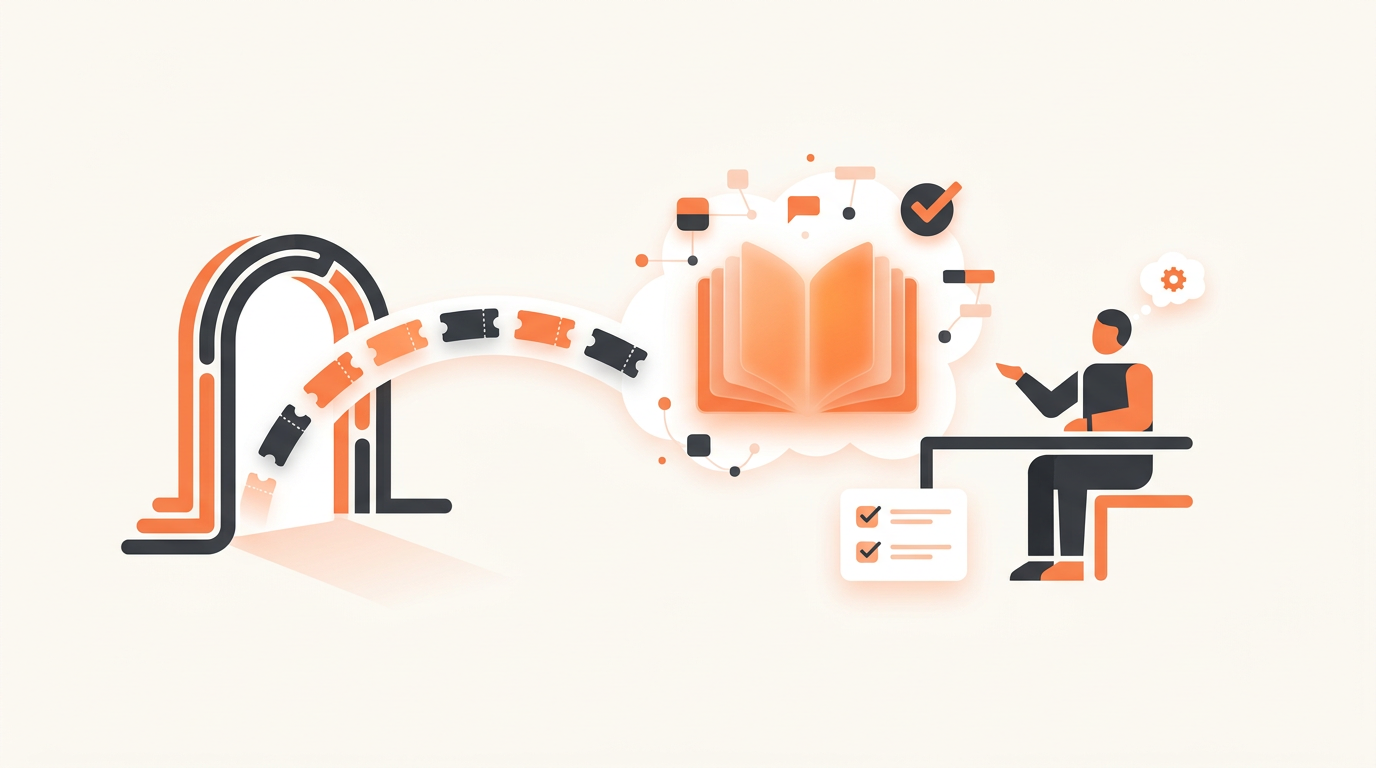
Building an Employee Self-Service Portal with a Knowledge Base
Stop answering the same routine IT questions. Learn how to structure an employee self-service portal and knowledge base to deflect and resolve tickets.
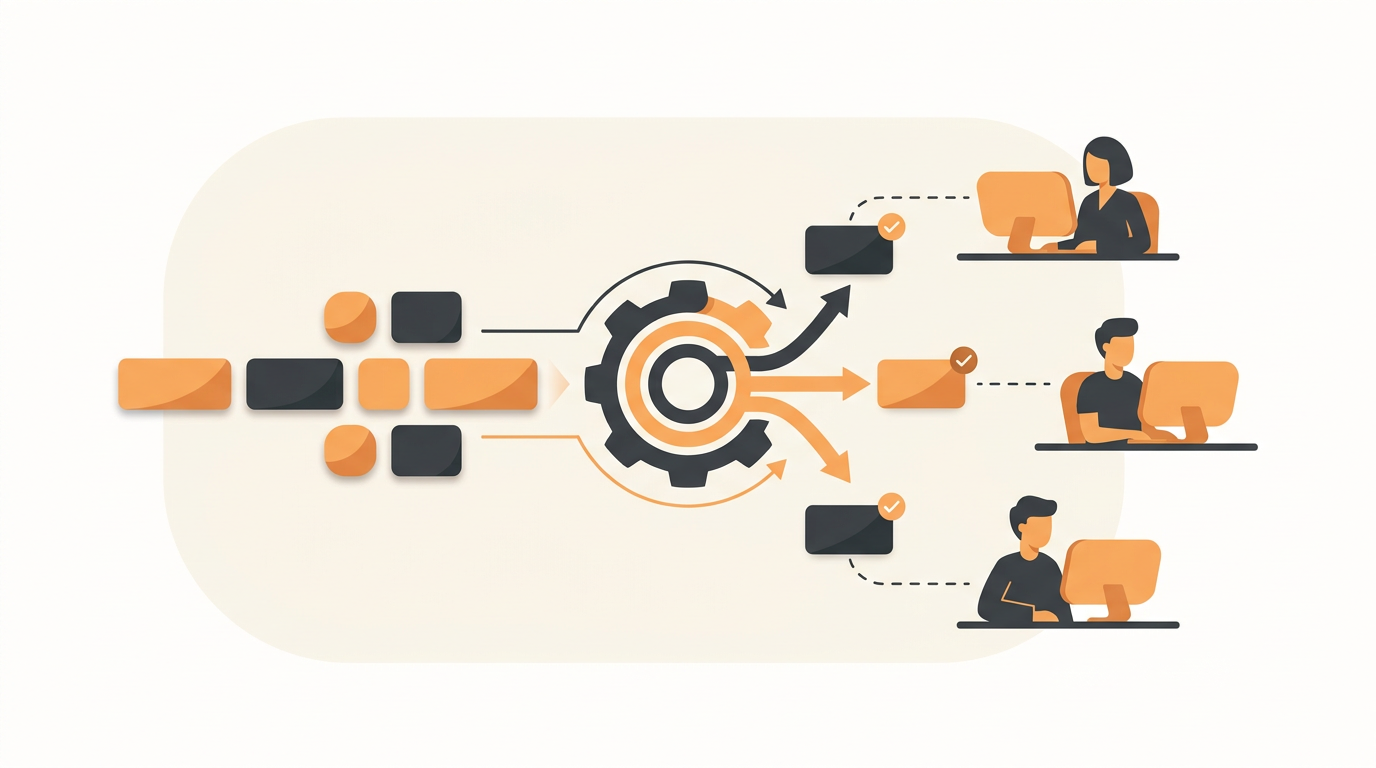
Automating Ticket Dispatch: Using AI Tools for IT Triage
Learn how to replace manual ticket dispatch with AI triage. Route, categorize, and prioritize IT requests automatically to save engineering hours.
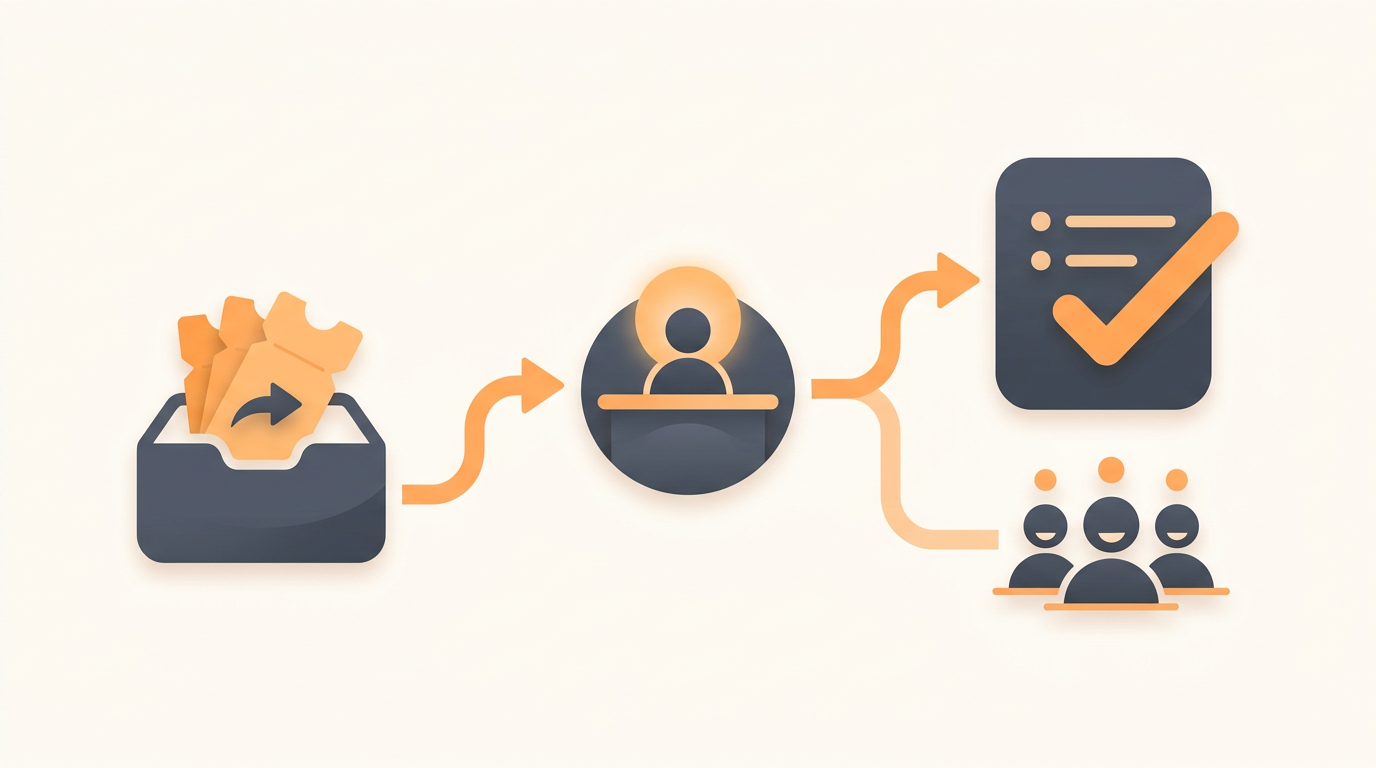
How to Build an Internal IT Support Strategy for Small Teams
Learn how to move off shared IT inboxes with clear routing, automated triage, and a service catalog designed specifically for growing small businesses.
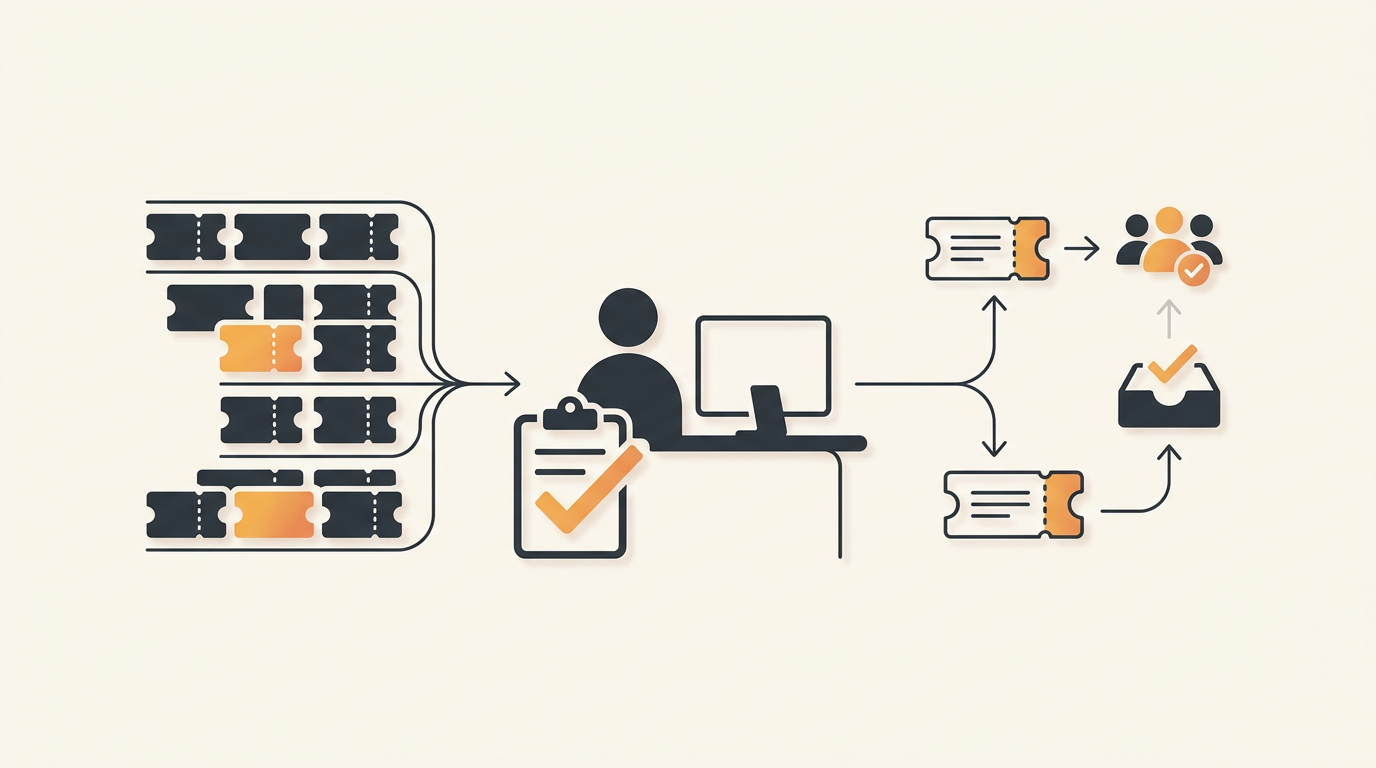
How to Write Canned Responses for Common IT Tickets (Templates)
Learn how to write IT canned responses that actually resolve tickets. Steal our templates, build your library, and automate your service desk triage today.
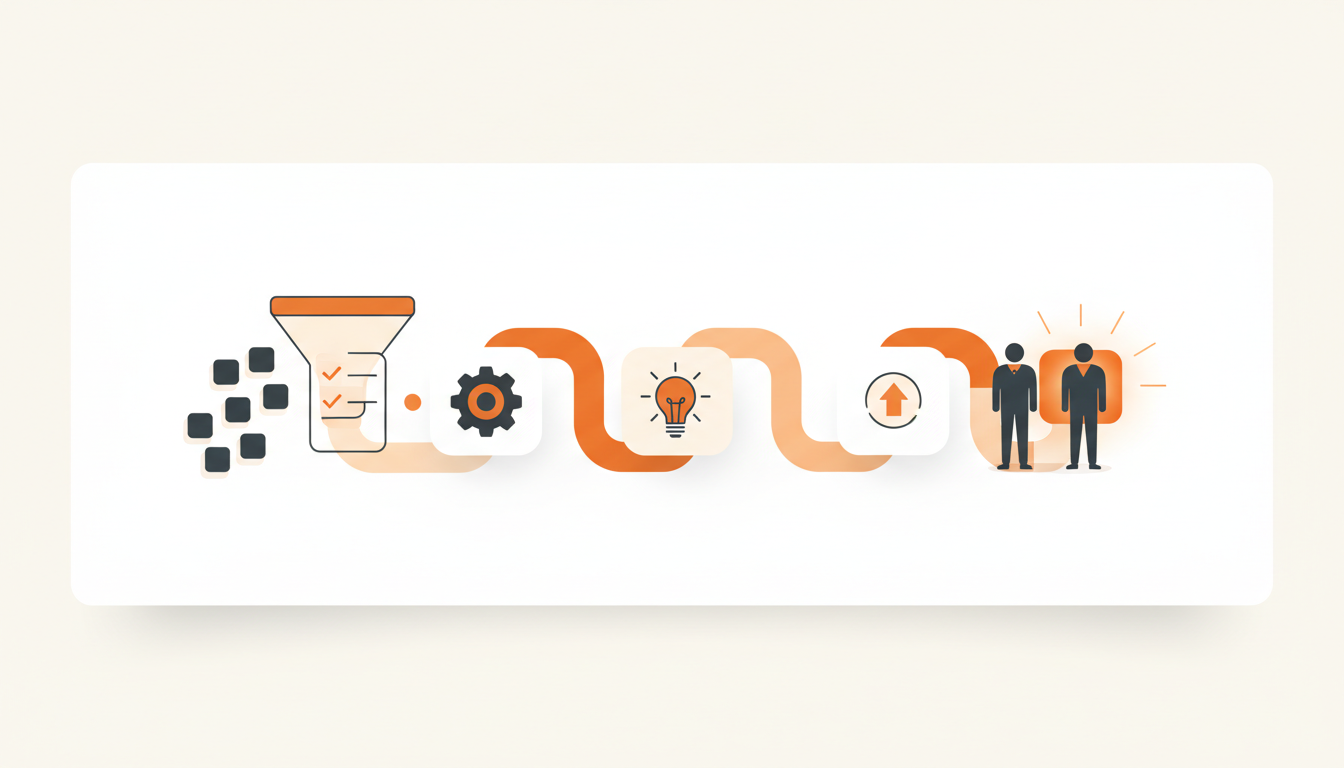
How to Build a Change Management Process for Small IT Teams
Learn how small IT teams can implement a lightweight change management process to prevent downtime without creating bureaucratic approval bottlenecks.
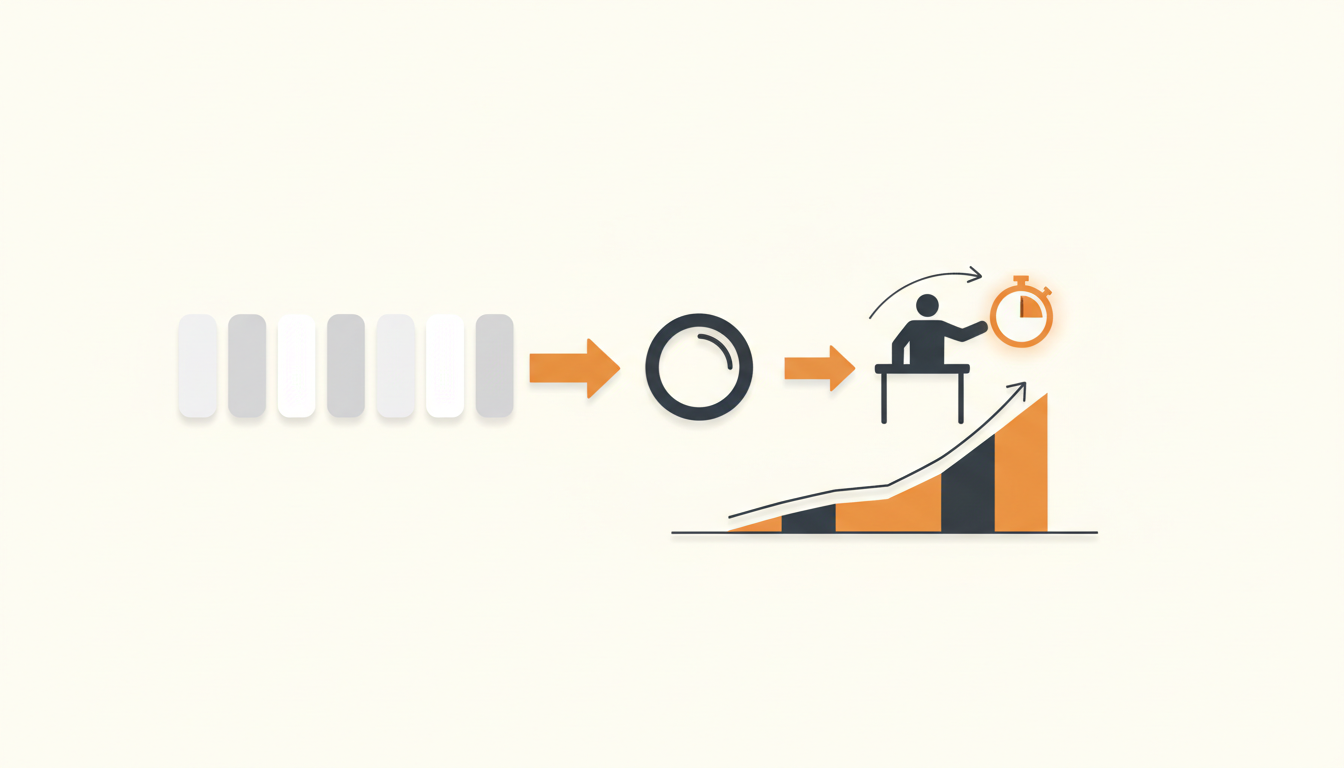
How to Calculate First Response Time for an IT Support Team
Learn the exact formula for calculating First Response Time, common measurement mistakes to avoid, and how to set realistic SLAs for your IT helpdesk.
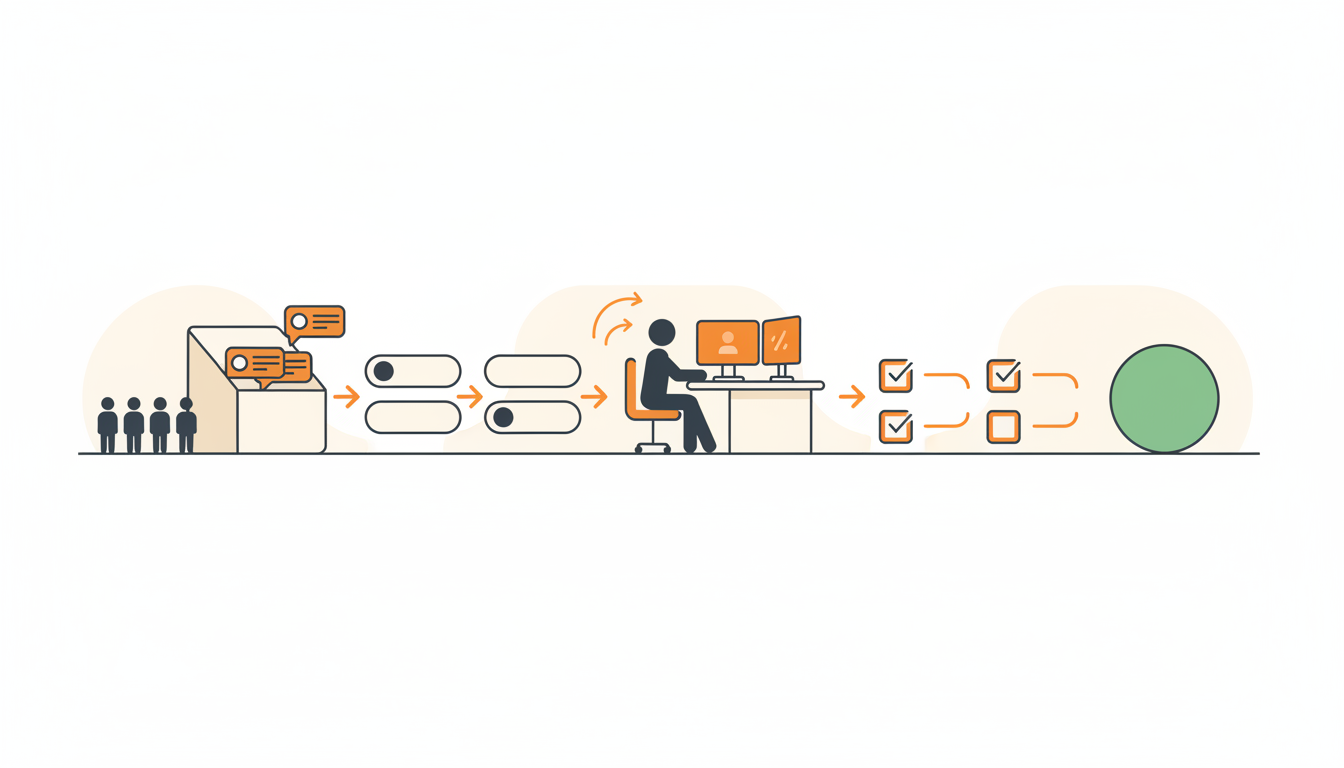
How Many IT Support Agents Does a 50-Person Company Need?
Discover the ideal IT support ratio for a 50-person company. Learn how automation, self-service, and technical debt impact your headcount decisions.
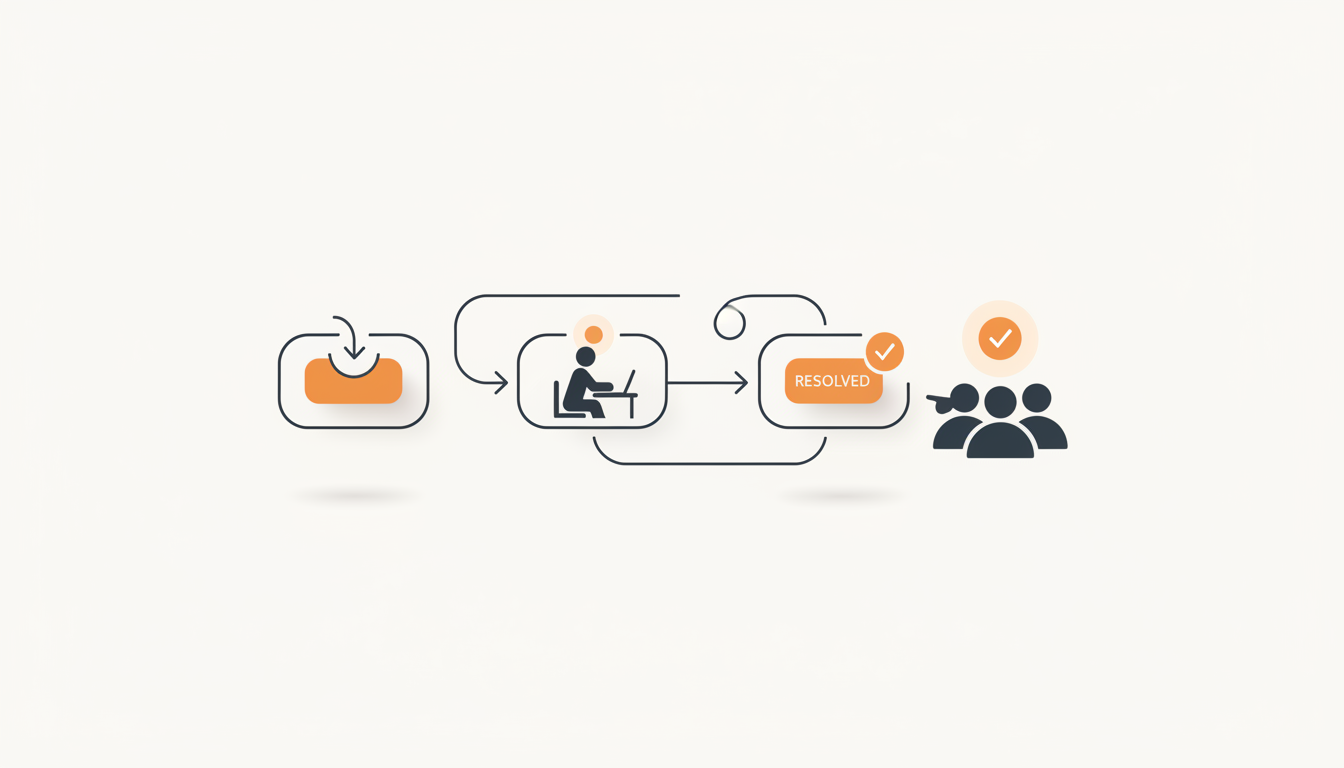
How to Set Up a Knowledge Base for Employee Support
Learn how to build an employee support knowledge base that actually resolves tickets. Step-by-step guide on auditing volume, writing articles, and deflection.
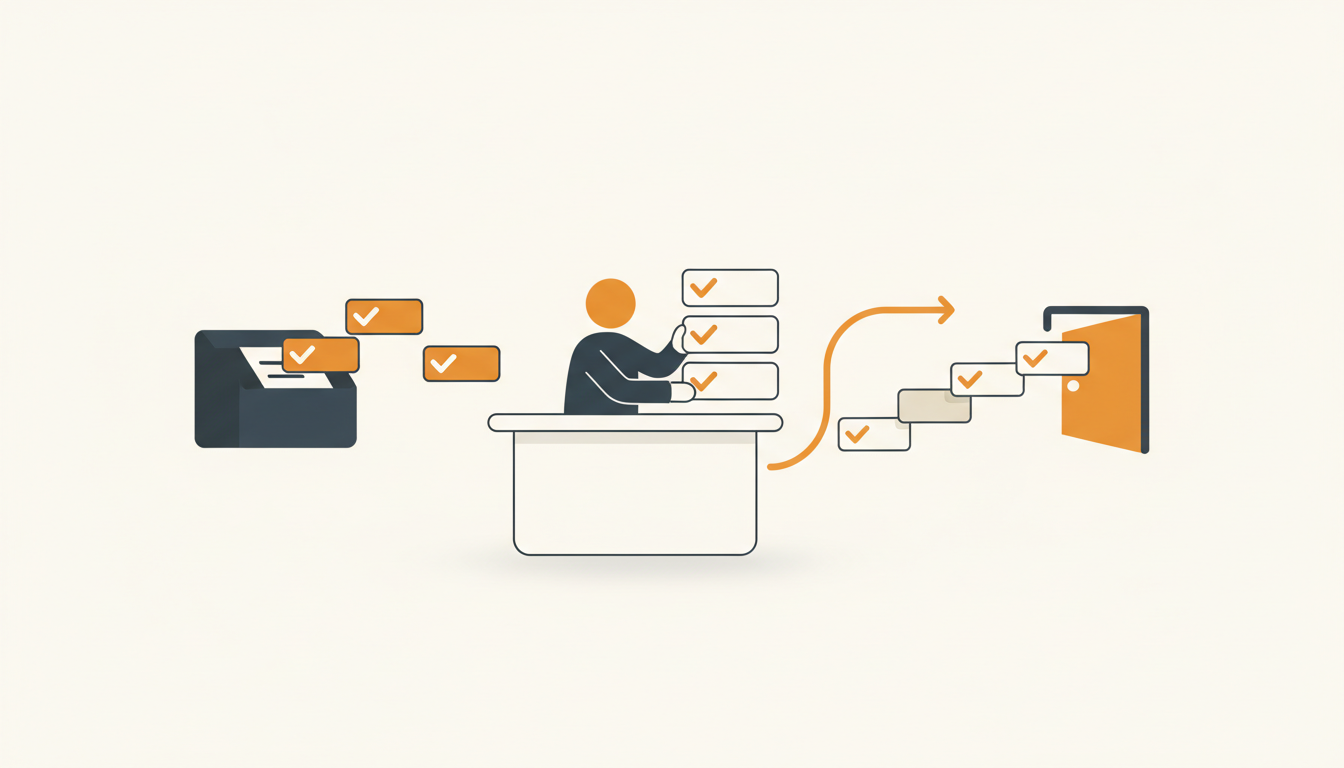
The Definitive IT Offboarding Checklist for Departing Employees
Secure your organization's data and recover hardware predictably with a structured IT offboarding checklist designed for growing teams.
IT Onboarding Checklist Best Practices for New Hires
Discover practical IT onboarding checklist best practices to structure technical provisioning, manage access controls, and stop day-one chaos.
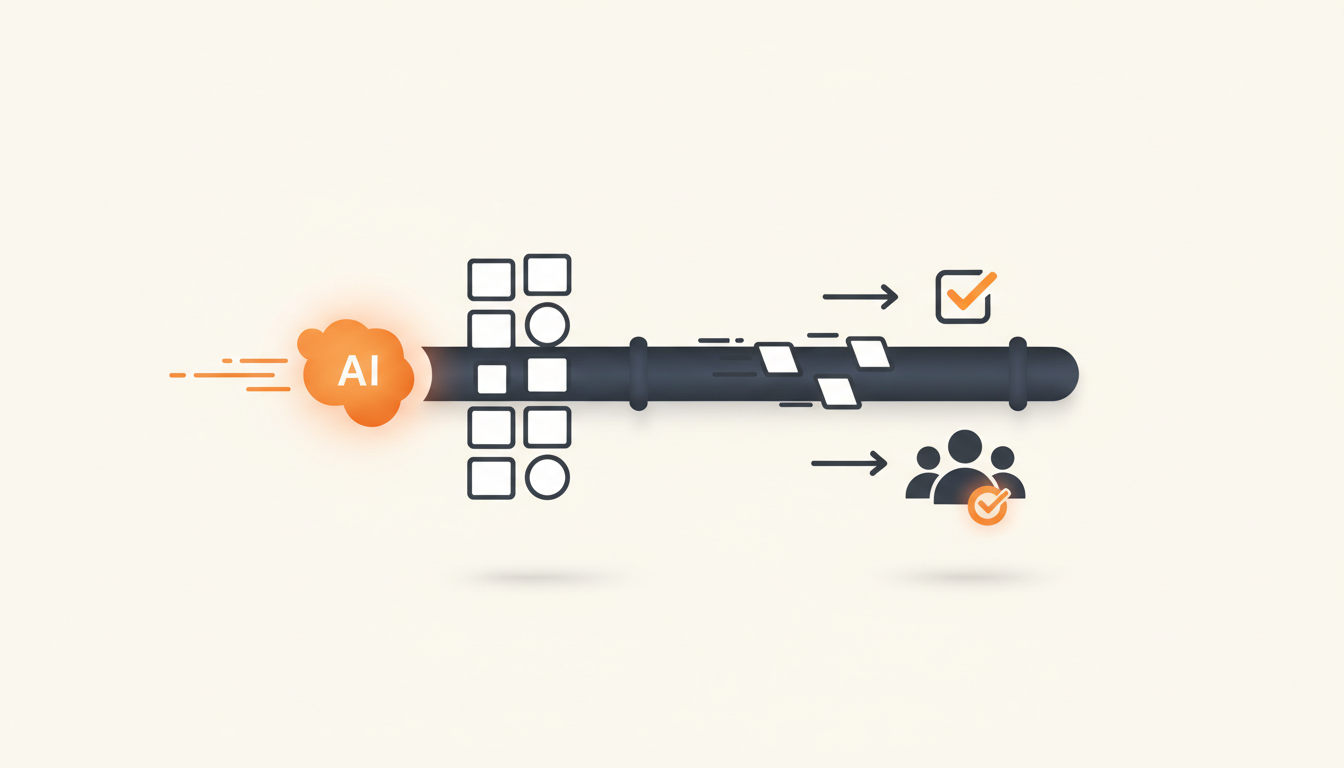
How to Reduce Ticket Resolution Time with AI Triage
Learn how AI triage eliminates manual routing delays and cuts ticket resolution times by automating categorization, prioritization, and team assignment.
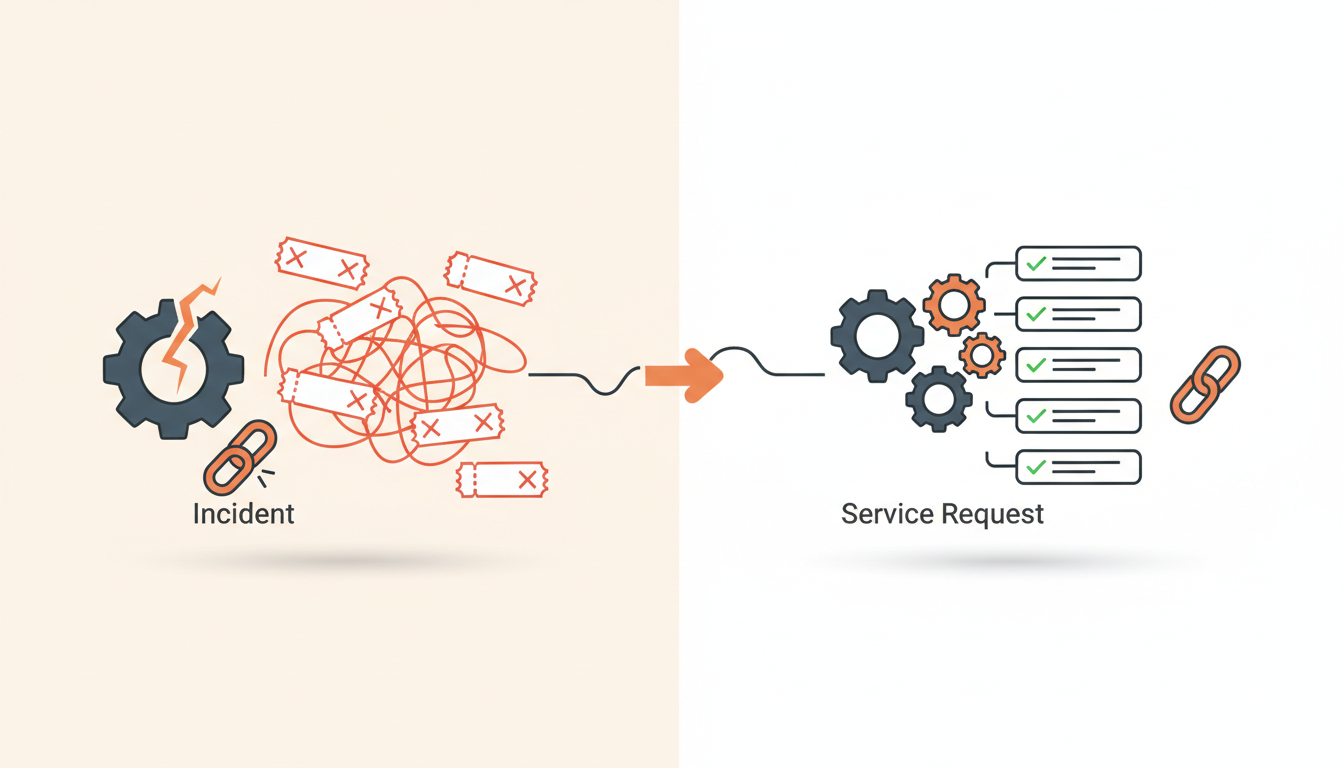
Incident vs. Service Request: How to Tell Them Apart and Why It Matters
Learn the exact difference between an IT incident and a service request. Set up distinct SLAs, routing rules, and workflows to fix what is broken faster.
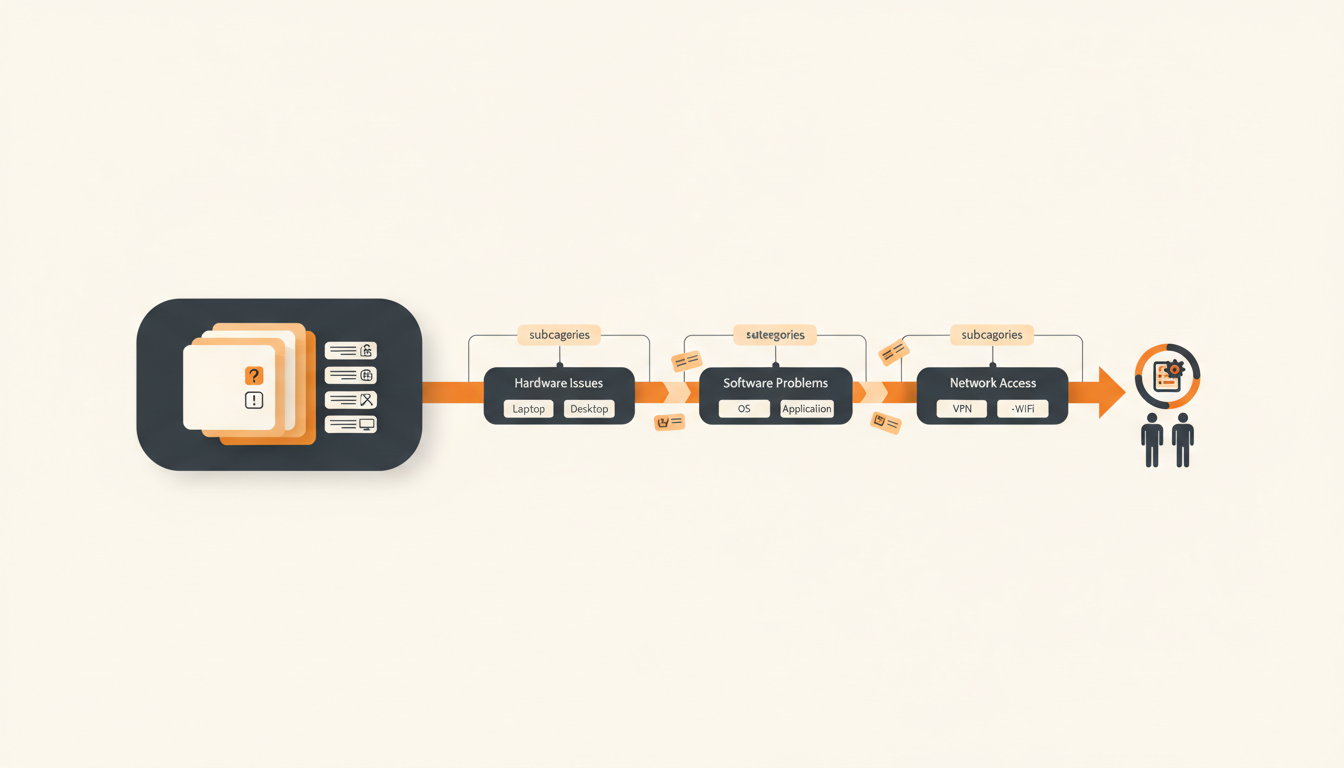
How to Structure Ticket Categories and Subcategories for ITIL Teams
Learn how to build a logical, scalable ticket categorization taxonomy for ITIL teams to improve routing accuracy, SLA compliance, and service reporting.
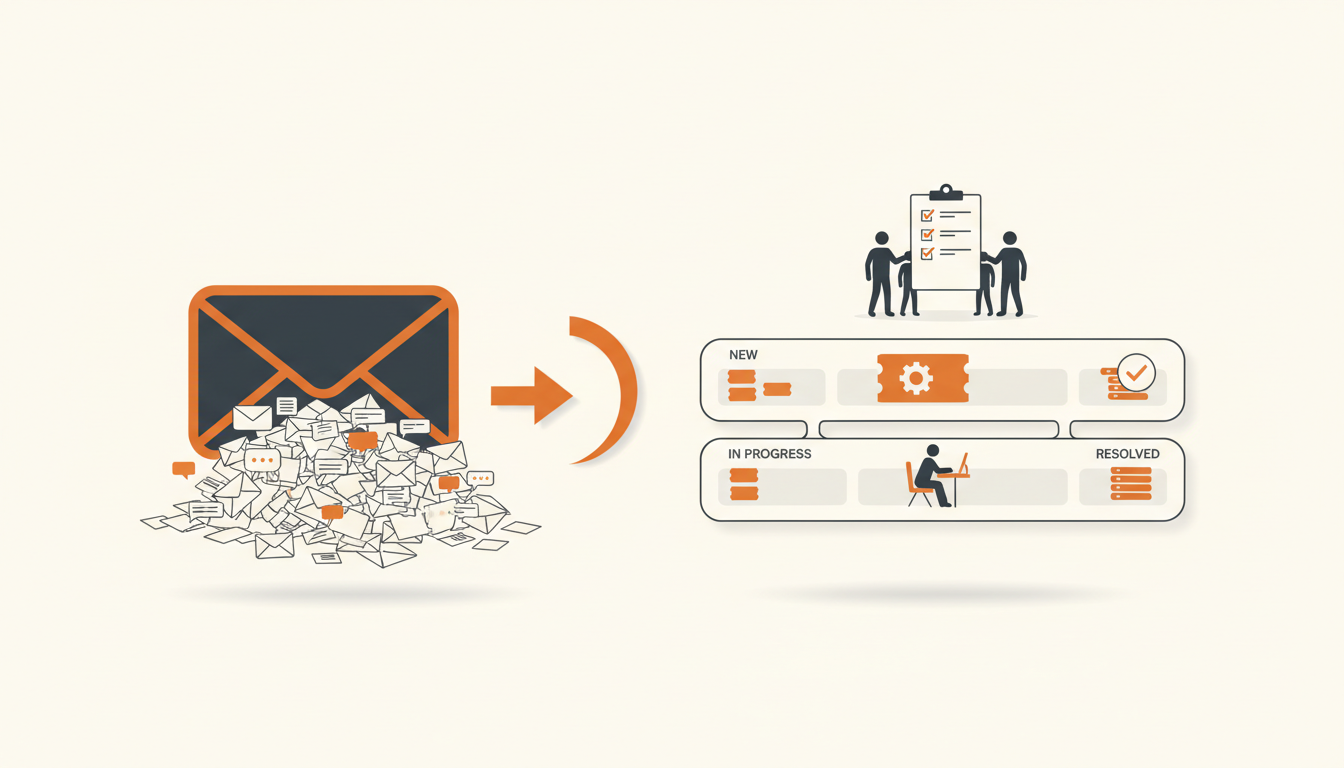
How to Migrate From a Shared Email Inbox to a Ticketing System
Moving your IT support off a shared email inbox requires more than just new software. Learn how to structure requests, route issues, and drive user adoption.
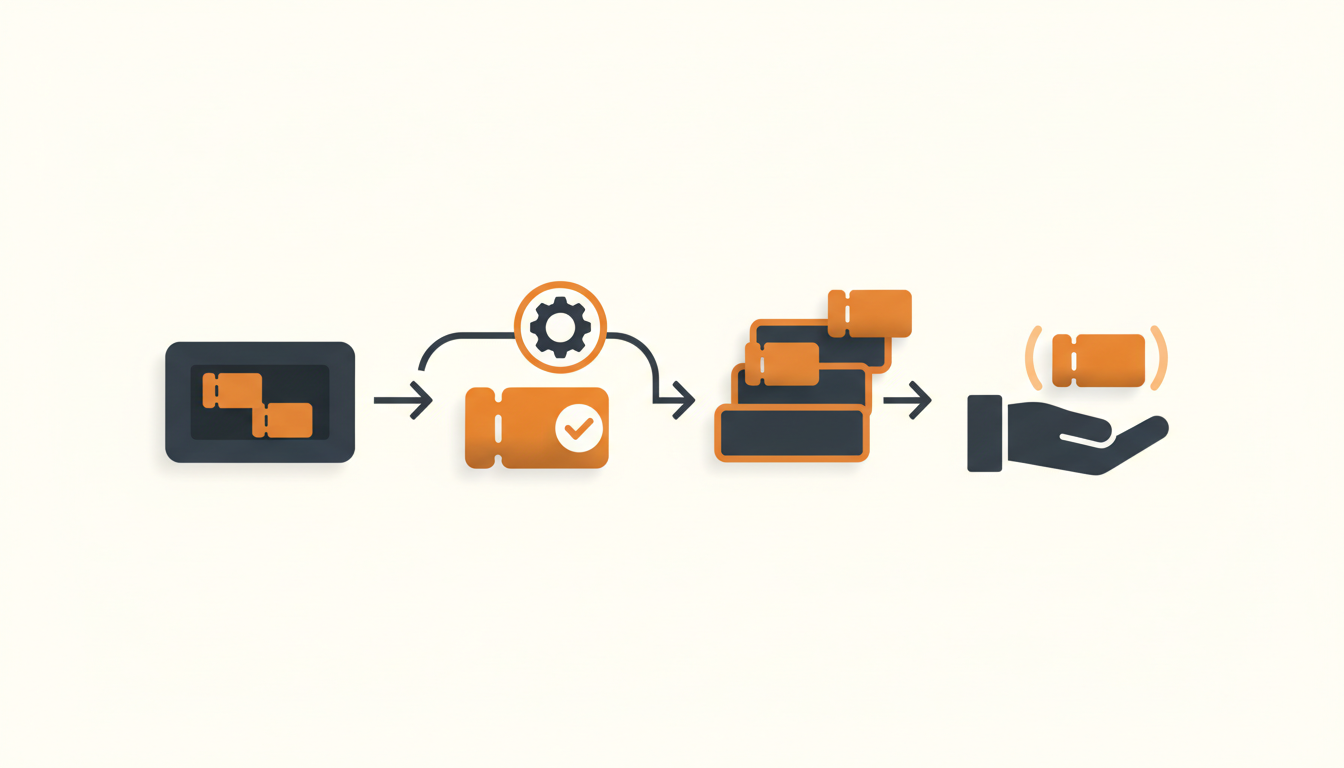
How to Write an IT Ticket Escalation Policy for Growing Teams
Learn how to draft a functional IT ticket escalation policy. Define support tiers, standardize handoffs, and stop tickets from bouncing between agents.
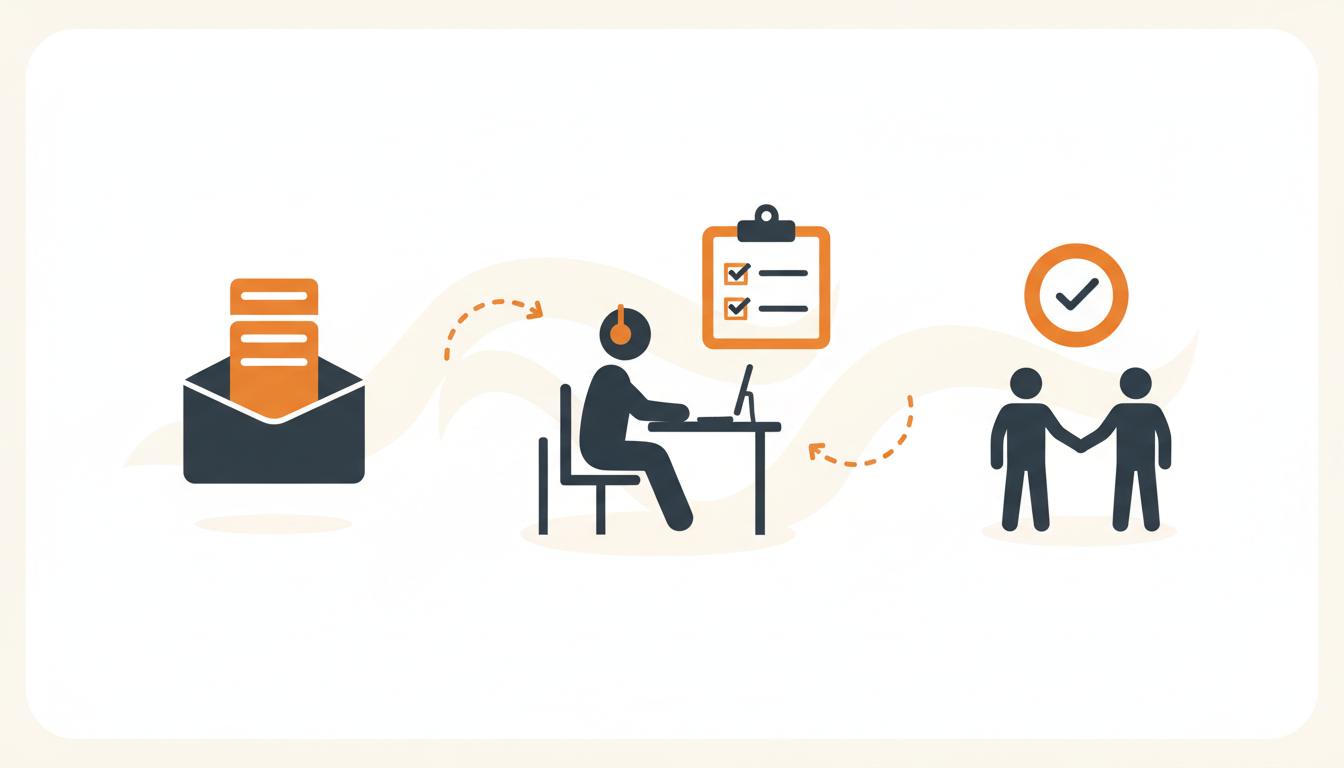
Helpdesk SLA Examples and Frameworks for Small IT Teams
Learn how to build realistic helpdesk SLAs for small IT teams. See priority examples, avoid common mistakes, and standardize response times.